







Introduction
Search "liver detox" online and the first results are almost always drinks: green juices, beetroot shots, turmeric tonics, charcoal lemonades promising to flush your liver clean in a weekend. Here's the direct answer: there's no drink that detoxifies your liver in the way these products imply, because your liver already does that job continuously, on its own. This article is for anyone who's wondered whether that ₹300 cold-pressed juice or viral detox tea is worth it, or whether the money is better spent elsewhere. We'll look at what these drinks can and can't do, and what actually supports liver function day to day.
Why "Liver Detox Drinks" Became a Trend
The appeal is easy to understand. A detox drink feels active. You're doing something visible, buying it, drinking it, posting about it, and it promises a fast result for a slow, invisible organ.
Marketing around these products often borrows real biology (the liver does detoxify the body) and stretches it into a claim the science doesn't support (that a juice can speed up or deepen that process). Your liver doesn't store up toxins waiting for a 3-day cleanse. It processes what enters your bloodstream continuously, using enzymes, not juice.
That doesn't mean these drinks are pointless. Many contain genuinely useful ingredients. The problem is the framing: they're sold as a reset button rather than what they actually are, which is one small part of a much bigger daily pattern.
What the Science Actually Says
Most "detox" claims for juices and teas rest on a few specific ingredients rather than the drink as a whole. It's worth separating the two.
Lemon water: Mostly hydration and a small amount of vitamin C. It doesn't "flush" the liver, but staying hydrated does support overall metabolic function, including the kidneys' role in filtering waste.
Beetroot juice: Contains betalains and nitrates, compounds studied for their antioxidant properties. Some research suggests these may support liver enzyme activity, but the effect is incremental, not a deep clean.
Turmeric-based drinks: Curcumin has been studied for its anti-inflammatory and antioxidant properties. The amount in a typical drink is often small unless it's paired with piperine (black pepper) to improve absorption, something most commercial juices skip.

Charcoal lemonades: Activated charcoal binds to certain substances in the gut, but it isn't selective. It can also bind to nutrients and medications, which is a reason to be cautious rather than reassured by this trend.
Green juices: Useful for adding micronutrients quickly, but juicing removes most of the fibre, which is actually one of the more important things for gut and liver health. A whole vegetable often does more than its juiced version.
Emerging evidence does support specific botanicals like milk thistle (silymarin) for liver wellness, but that's typically studied as a standardised extract, not as an ingredient in a fruit juice blend.
Where Detox Drinks Fall Short, and Where They Help
It's not all or nothing. Some of these drinks have a place, just not the place the marketing suggests.
Where they fall short:
- They're often positioned as a substitute for sleep, hydration, or a balanced diet, rather than an addition to them
- High-sugar fruit juices can add more metabolic load than they remove, especially without fibre to slow sugar absorption
- A 3-day or 7-day "cleanse" framing implies your liver was clogged beforehand, which isn't how the organ works
- Some commercial blends use vague labelling, making it hard to know actual ingredient quantities
Where they can genuinely help:
- As a convenient way to get hydration and some antioxidants into a busy day
- As a replacement for sugary sodas or packaged juices, which is a net positive swap
- When the base ingredients (turmeric, ginger, amla, beetroot) are things you'd benefit from eating anyway
- As part of a consistent daily habit rather than a short burst
The honest framing: a turmeric-ginger drink in your daily routine is a reasonable habit. A 3-day juice cleanse marketed as a "liver reset" is mostly marketing.
What to Try Instead of a Detox Drink Trend
If the goal is genuinely supporting liver function, here's where to put your effort and money instead.
- Build a consistent hydration habit. Plain water, buttermilk (chaas), or coconut water through the day matters more than any single specialty drink.
- Add real food sources of the same compounds. A pinch of turmeric in your dal, fresh amla, garlic in tempering, these deliver similar compounds without the sugar load of juice.
- Prioritise sleep and alcohol moderation. These have a far larger measurable impact on liver health than any drink, and they're rarely part of the detox-drink conversation.
- Keep fibre intact. Eat the fruit instead of juicing it whenever possible. The fibre supports gut bacteria, which is increasingly linked to liver health through the gut-liver axis.
- Consider a standardised botanical supplement if your diet has real gaps. Milk thistle extract, for instance, is studied at consistent doses in a way that a homemade or commercial juice typically isn't.
- Get occasional checkups, not occasional juice cleanses. A liver function test tells you more in five minutes than any detox drink will in five days.
Limitations Worth Knowing
None of this means detox drinks are harmful for most healthy people in moderate amounts. The concern is more about expectation than ingredients: relying on a juice or tea as your primary liver-support strategy can mean ignoring habits (alcohol, sleep, processed food intake) that matter much more. If you have an existing liver condition, are on regular medication, or are pregnant, check with a doctor before adding any new juice, tea, or charcoal-based drink to your routine, since some ingredients can interact with medications or aren't suitable in those situations.
As an FSSAI-licensed nutraceutical brand, NutriPeak's approach has always been to favour ingredients with clearer research behind them, at consistent, labelled doses, rather than trend-driven blends with vague claims.
Frequently Asked Questions
Q: Is there any drink that actually detoxifies the liver?
No single drink "detoxifies" the liver in the dramatic sense marketing implies. Your liver performs this function continuously through enzymatic processes. Certain drinks can support overall hydration and provide antioxidants that may ease the liver's daily workload, but none act as a deep clean or reset.

Q: Are cold-pressed juice cleanses worth the money?
Cold-pressed juices retain more nutrients than heat-pasteurised ones, but most lose the fibre of the whole fruit or vegetable, and multi-day cleanses are rarely necessary for a healthy liver. The money is often better spent on whole foods or a consistent daily habit rather than a short, expensive cleanse.
Q: Is turmeric water actually effective, or is it just a trend?
Turmeric contains curcumin, which has been studied for antioxidant and anti-inflammatory properties, so turmeric water as a daily habit is reasonable. Absorption is improved when paired with black pepper or a fat source, something plain turmeric water doesn't provide on its own.
Q: Can detox drinks cause any harm?
Most are low-risk for healthy adults in moderation, though high-sugar fruit juices consumed daily can add unnecessary calorie and sugar load. Charcoal-based drinks deserve more caution since they can interfere with medication absorption, and very restrictive juice "cleanses" can lead to inadequate protein and calorie intake if followed for multiple days.
Q: How is this different from just eating liver-friendly foods?
Whole foods retain fibre, take longer to digest, and tend to deliver nutrients alongside compounds that slow sugar absorption, all of which juice and most drinks remove. Food-first approaches are generally considered the stronger foundation, with drinks as a convenient addition rather than the main strategy.
Q: Should I try a supplement instead of detox drinks?
A standardised supplement can be useful if your diet has consistent gaps, since it offers a measured, labelled dose rather than the variable amount in a homemade or commercial juice. It works best alongside good food and lifestyle habits, not as a replacement for them.
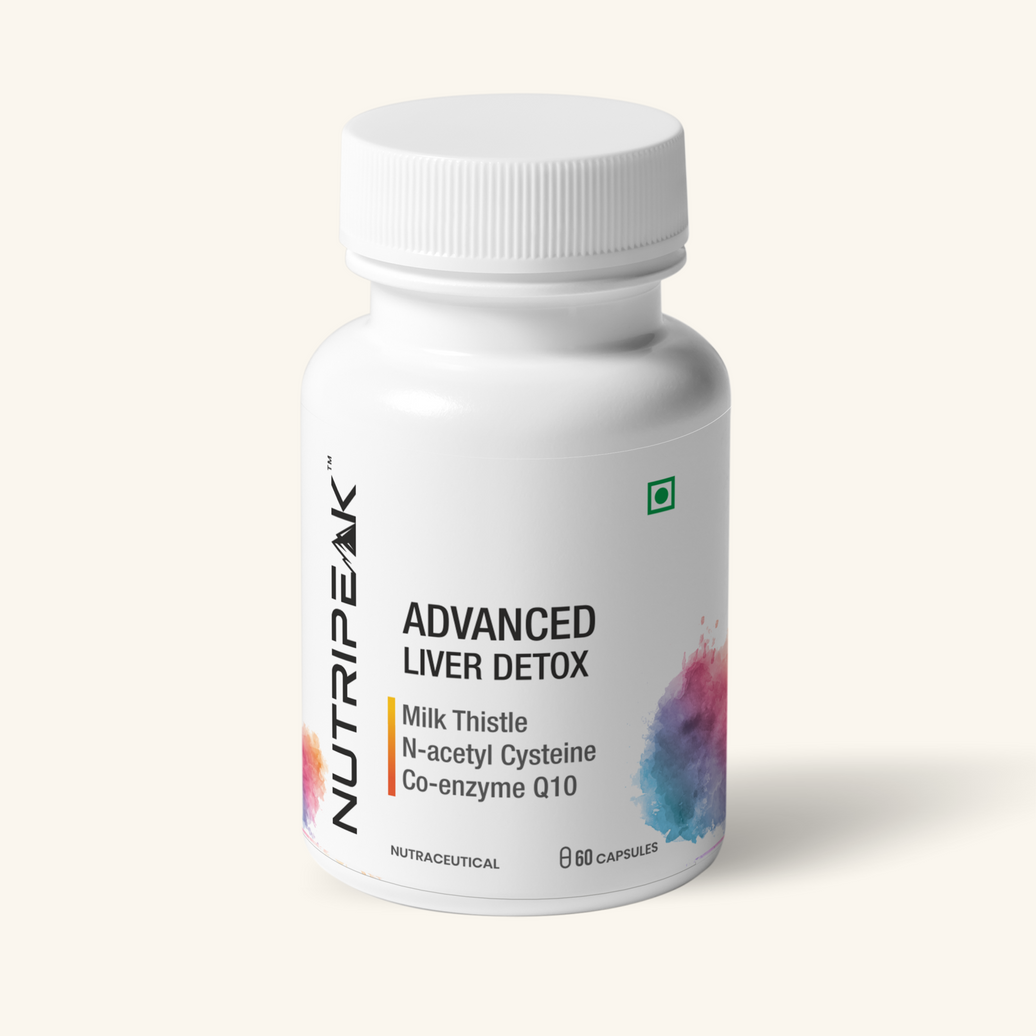
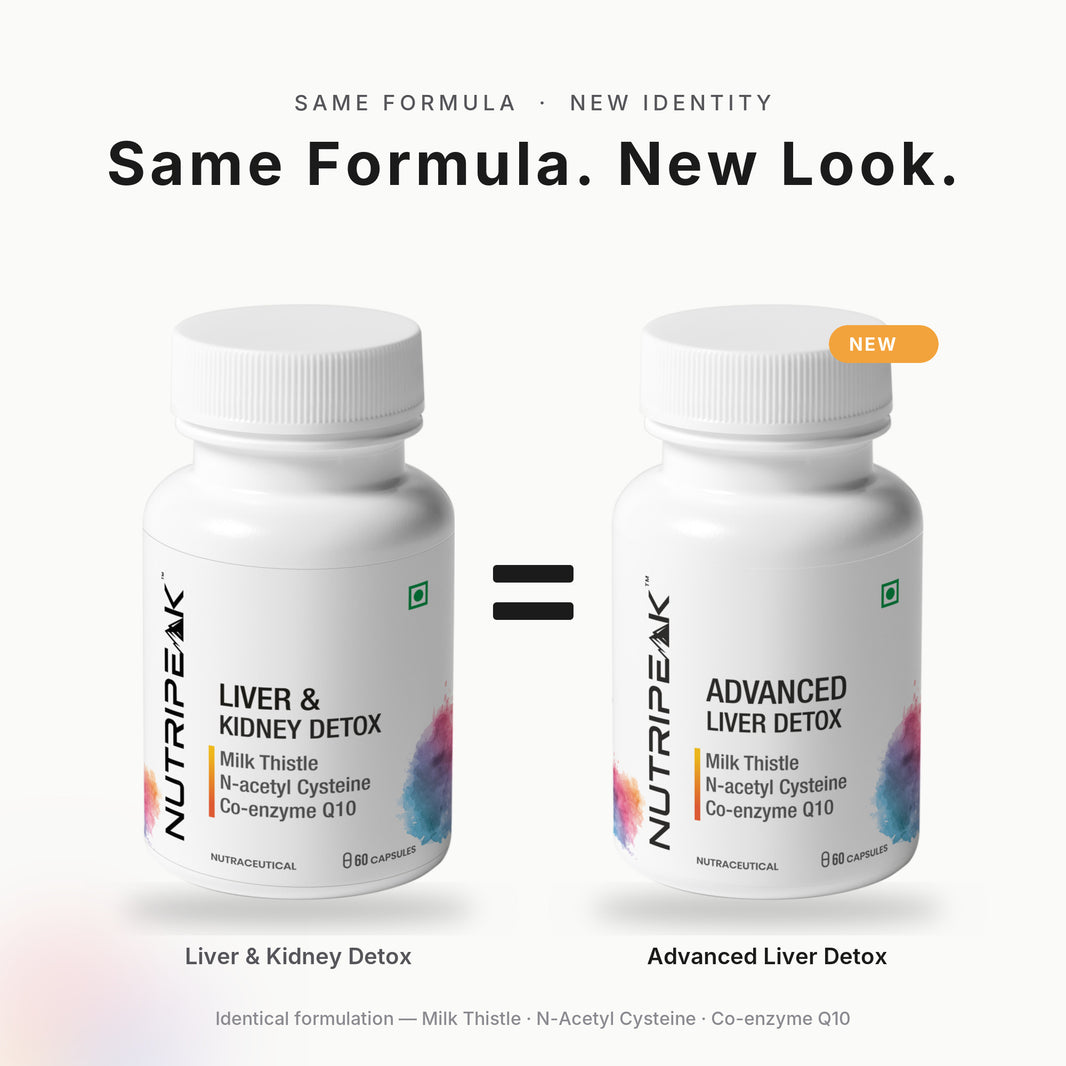
If you're looking to move past trend-driven detox drinks toward something with a clearer, standardised dose, NutriPeak's Liver & Kidney Detox capsules combine milk thistle, NAC, and CoQ10 in a consistent daily format. For a lighter, everyday option, the LIVPURE Gummies bring milk thistle and dandelion into a simple routine you can actually stick to.
Disclaimer: This article is for informational purposes only and is not intended to diagnose, treat, cure, or prevent any disease. Always consult a qualified healthcare professional before making changes to your diet, supplement routine, or wellness plan.
