




The most effective liver detox drink in your kitchen is warm water. Everything else worth drinking is a variation on that theme, and nothing you can blend, brew or buy will "flush" your liver, because the organ cleans itself continuously. We covered why commercial detox drinks rarely live up to their labels in an earlier post. This one is the practical companion: what to actually sip through an Indian day, made from ingredients already in your kitchen, with an honest note on what each drink does and does not do. It is written for anyone who wants a realistic daily routine, whether that is a desk worker cutting back on sugary chai rounds or someone whose recent checkup nudged them to take their liver seriously.
The Ground Rules First
Two mechanisms do most of the work in every drink on this list. The first is hydration: your liver and kidneys manage waste through the bloodstream, and staying hydrated supports that entire system. The second is replacement: every glass of jeera water or chaas that takes the place of a cola or a sweetened packaged juice removes a load of added sugar, and ICMR-NIN dietary guidance recommends keeping added sugar to a minimum. That swap, repeated daily, matters more than any single ingredient.
If your ultrasound report has already mentioned fatty liver, these drinks are a helpful habit but not a fix. We have written an honest guide on what actually helps with fatty liver, and a doctor's advice comes first.
On Waking: Warm Water, Plain or With Jeera or Lemon
You wake up mildly dehydrated after seven or eight hours without fluids. A glass or two of warm water before tea or coffee is the simplest habit on this list, and the one most worth keeping.
How to make it: For jeera water, soak a teaspoon of cumin seeds in a glass of water overnight, then warm it gently and strain in the morning. For lemon water, squeeze half a lemon into warm (not hot) water.
What it realistically does: Rehydrates you, adds a small amount of vitamin C in the lemon version, and gives you a calm start that is not sugar or caffeine. Cumin has a long history in traditional Indian practice for digestion support.
The common mistake: Expecting it to burn fat or flush toxins. It will not. It replaces worse first-drinks, and that is its real job.
Mid-Morning: Black Coffee or Green Tea, Unsweetened
Coffee is the quiet surprise in liver research. Some studies indicate that regular coffee drinkers tend to show healthier liver enzyme patterns, and the association has appeared often enough that hepatologists no longer treat coffee as a guilty pleasure. Green tea brings catechins, plant compounds studied for their antioxidant properties.
How to take it: One or two cups, without sugar, and ideally not on a completely empty stomach if you are acidity-prone. For green tea, brew leaves or a bag for two to three minutes; bitter tea is over-brewed tea.

The common mistake: Undoing the benefit with two spoons of sugar and a biscuit habit, or drinking five cups and sleeping badly, since poor sleep works against the same metabolism you are trying to support.
With Lunch: Chaas, the Most Underrated Drink in the House
Plain buttermilk is everything a "wellness drink" claims to be: light, probiotic-containing, inexpensive and already part of Indian food culture.
How to make it: Whisk a quarter cup of curd into a glass of water with a pinch of roasted jeera powder, black salt and a few curry or coriander leaves.
What it realistically does: Aids hydration through the afternoon and gives you fermented dairy cultures, which research links to gut health. The gut and liver are closely connected through what scientists call the gut-liver axis, so a settled gut is good company for a healthy liver.
The common mistake: Choosing the salted-and-sweetened packaged versions, which can carry a surprising sugar load. Homemade takes ninety seconds.
Late Afternoon: Amla Water
Amla is one of the richest natural sources of vitamin C, and it has been used in traditional Indian practice for centuries. That heritage plus modern interest in its antioxidant content earns it the afternoon slot, right when the office chai-and-sugar craving hits.
How to make it: Crush one fresh amla (or use a teaspoon of unsweetened amla juice) into a glass of water. Dilute well; neat amla juice is harsh on an empty stomach.
What it realistically does: Contributes vitamin C, which supports the body's normal antioxidant defences, and replaces a sweetened drink at the weakest hour of the day.
The common mistake: Buying sweetened amla candy or syrupy juice and counting it as the same thing. Check the label; sugar usually leads the ingredient list.
After Dinner: Ginger-Tulsi Water or Just Warm Water
The evening drink is less about ingredients and more about what it replaces: the nightcap, the dessert soda, the late sweet tea. Alcohol in particular is direct work for the liver, and an evening routine that does not include it is one of the kindest things you can do for the organ.
How to make it: Simmer a few slices of fresh ginger and four or five tulsi leaves in water for five minutes. Sip warm, unsweetened.
What it realistically does: Ginger and tulsi are traditionally used for digestion and general wellness, and a warm caffeine-free drink signals wind-down, which supports the sleep your metabolism depends on.
Your Day at a Glance
| Time | Drink | The honest benefit |
|---|---|---|
| On waking | Warm water, jeera or lemon | Rehydration after sleep |
| Mid-morning | Black coffee or green tea | Studied compounds, zero sugar |
| With lunch | Homemade chaas | Fermented cultures, replaces cola |
| Late afternoon | Diluted amla water | Vitamin C, beats the sugar craving |
| After dinner | Ginger-tulsi water | Caffeine-free wind-down, replaces alcohol |
None of these drinks is doing anything dramatic on its own. Together, they quietly remove most of the added sugar and alcohol a typical day can carry, and they keep you hydrated from morning to night. That is the whole trick, and it costs almost nothing.
A practical note for busy weeks: most of this list can be prepped in one evening batch. Roast and grind a week of jeera powder for chaas, soak tomorrow's jeera water while dinner cooks, and keep washed tulsi and sliced ginger in the fridge so the evening brew takes three minutes. Habits survive on convenience, not motivation, and a routine that needs zero morning decisions is the one that lasts past the first fortnight.
One caution before you begin: if you are pregnant, on regular medication, or managing a diagnosed condition, run new daily drinks past your doctor first, since even kitchen ingredients can interact with some medicines. As a brand formulated under FSSAI-licensed manufacturing, we would rather you hear that from us than from a label that promises a seven-day miracle.
Frequently Asked Questions
Q: Which homemade drink is best for the liver?
There is no single winner. Warm water on waking is the most reliable habit because hydration is the mechanism that actually matters, and the rest of the list works mainly by replacing sugary or alcoholic drinks you might otherwise have.
Q: Does jeera water need to be had on an empty stomach?
Tradition says morning, but there is no strict rule. The overnight soak simply makes a mild infusion. Have it whenever it best replaces a less helpful drink in your day.
Q: Is coffee good or bad for the liver?
Unsweetened coffee in moderate amounts sits on the favourable side of current research, with some studies indicating better liver enzyme patterns among regular drinkers. Sugar, cream-heavy preparations and poor sleep from late cups can cancel that out.
Q: Can these drinks reduce fatty liver?
Not on their own. Fatty liver responds to sustained weight, diet and activity changes, with drinks playing a small supporting role at best. Our detailed fatty liver guide covers what evidence actually supports.
Q: How much water should I drink in a day?
Needs vary with body size, climate and activity, which in Indian summers can be substantial. Rather than forcing a fixed number, use urine colour as a practical guide: pale yellow generally suggests you are drinking enough.
When the Kitchen Is Not Enough
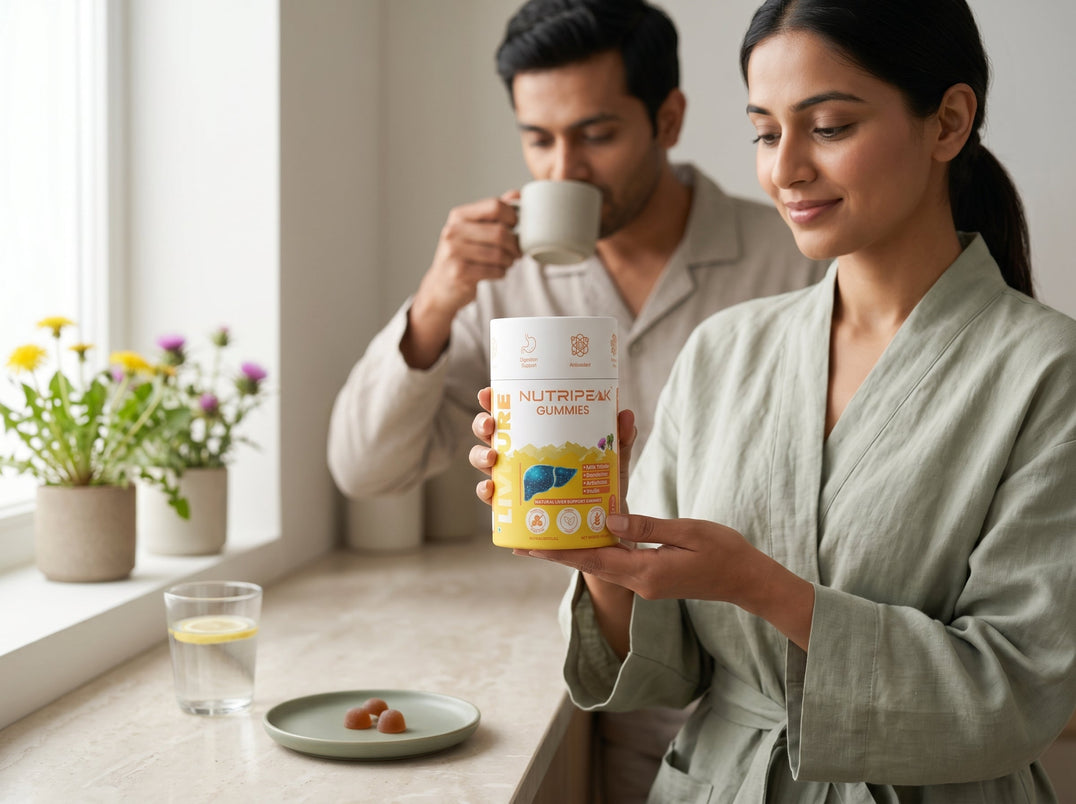
Kitchen drinks handle hydration and sugar replacement well, but they cannot deliver studied botanicals at consistent, labelled doses. If you want that layer on top of a good routine, NutriPeak Liver & Kidney Detox Capsules combine milk thistle standardised to 80% silymarin, NAC, turmeric extract, dandelion and CoQ10 in a vegetarian capsule, and LIVPURE Liver Detox Gummies offer a lighter chewable option. Both are formulated to support normal liver function alongside, never instead of, the habits above.
Disclaimer: This article is for informational purposes only and is not intended to diagnose, treat, cure, or prevent any disease. Always consult a qualified healthcare professional before making changes to your diet, supplement routine, or wellness plan.
