






Why Your Liver Needs More Support Than You Think
The Organ That Works Around the Clock
The liver rarely makes itself known. No real-time feedback, no warning light, no obvious complaint. And that is exactly the problem.
Most people associate the liver with alcohol or jaundice. Both are valid concerns, but they leave out a large part of what this organ actually does. It processes every meal you eat, every tablet you swallow, every chemical your body encounters. It regulates blood sugar, synthesises proteins, produces bile for fat digestion, and filters waste from your bloodstream, all at the same time.
This article is for anyone who has been persistently tired without explanation, noticed their digestion isn't quite right, or simply lives an urban lifestyle where the liver is quietly absorbing far more than most people account for.
More Than 500 Jobs, No Day Off
The liver performs over 500 documented functions in the body. It manufactures clotting factors. It stores iron and fat-soluble vitamins. It converts ammonia, a byproduct of protein digestion, into urea for safe excretion. It breaks down drugs and toxins into forms the body can eliminate safely.
Every single thing that enters your gut — food, alcohol, medication, synthetic additives — passes through the liver before reaching general circulation.
When this organ is working well, you will not notice it. When it starts to struggle, the signals it sends are often vague, easy to misread, and routinely blamed on something else entirely.
Why Urban Indian Life Creates Specific Liver Stress
The liver's workload has changed. Not because liver disease is inevitable, but because modern urban routines now layer multiple stressors in ways that previous generations did not experience with the same intensity.
Consider a fairly ordinary weekday. Morning chai on an empty stomach. A canteen or food-app lunch heavy in refined oil. An antacid after because the meal didn't sit right. A glass of wine or whisky at an evening work event. Late-night snacking while watching something. Less than seven hours of sleep.
Each of those choices individually is manageable. Together, they create a sustained background burden that builds over time without any single dramatic event to point to.
Gastroenterology researchers have flagged a growing incidence of non-alcoholic fatty liver disease (NAFLD) in urban Indian populations, citing sedentary desk jobs, high-carbohydrate diets, processed snacks, and irregular meal timing as key contributing factors. This is a trend showing up even in people who do not drink alcohol at all.
The liver is one of the most regenerative organs in the body. The issue is not fragility. It is that this organ silently absorbs strain that most people never factor into their daily health thinking.
Signs That Are Easy to Dismiss
Several liver-related signals tend to get attributed to something else entirely. Here are the patterns worth paying closer attention to:

- Persistent tiredness that doesn't improve with rest: often blamed on workload or poor sleep, but the liver plays a direct role in energy metabolism and glycogen storage
- Bloating and slow digestion: bile production is central to fat digestion; when liver function is sluggish, digestion suffers and heaviness after meals becomes common
- Skin dullness or unexplained breakouts: the liver is the body's primary detox organ; when it is under chronic strain, the skin can reflect that burden
- Brain fog or reduced concentration: ammonia and other metabolic byproducts that the liver normally clears can affect cognitive clarity when processing slows
- Frequent nausea or headaches after meals: can indicate the liver is struggling with the metabolic load of a heavy or processed meal
- Discomfort in the upper right abdomen: a more direct signal that always warrants a doctor's evaluation, not a supplement response
None of these symptoms, on their own, confirm a liver issue. They are patterns worth noticing. Always consult a healthcare professional if symptoms are persistent, worsening, or affecting your daily function.
What Is Actually Burdening Your Liver
This list tends to surprise people:
- Over-the-counter medications: painkillers, antacids, antihistamines. The liver metabolises all of them. Frequent, unsupervised use adds cumulative processing load.
- Packaged and ultra-processed foods: artificial additives, preservatives, and refined vegetable oils common in Indian packaged snacks all require hepatic processing before clearance.
- Alcohol, even occasional: the liver prioritises alcohol metabolism, which temporarily slows every other metabolic function while that processing is underway.
- Disrupted sleep and night-shift routines: the liver has its own circadian rhythm. Emerging research suggests that chronic sleep disruption may impair the liver's natural nocturnal detox cycles.
- Environmental toxins: pesticide residues on produce, household chemical exposure, and urban air pollution are all filtered, ultimately, by the liver.
- Excess fructose: sweetened beverages, packaged juices, and some "natural" fruit-based drinks consumed in large quantities can contribute to fat accumulation in liver cells.
None of this requires alarm. The liver handles an extraordinary amount day after day. But consciously reducing its burden, and supporting its function where possible, is a reasonable and practical health decision.
Ingredients Studied for Liver Support
A handful of plant-derived and naturally occurring compounds have a meaningful body of research behind them in the context of liver health. Here is what the research landscape looks like:
Milk Thistle (Silymarin)
Silymarin, the active compound complex in milk thistle, is among the most studied botanicals in liver health research. Some studies suggest it may support liver cell regeneration, help maintain glutathione levels, and offer antioxidant protection against oxidative stress. It has been used in traditional European herbal medicine for centuries and is now well-represented in peer-reviewed liver health research internationally.
N-Acetyl Cysteine (NAC)
NAC is a precursor to glutathione, the body's primary intracellular antioxidant. The liver depends heavily on glutathione for its detox processes. Research suggests NAC may help support the liver's ability to manage oxidative stress, particularly during periods of increased metabolic load.
Dandelion Root Extract
Dandelion has a long history of traditional use as a liver and digestive tonic. Early research suggests it may support bile flow and provide mild antioxidant activity. Clinical data in humans remains limited, and most current evidence comes from preclinical research.
Turmeric Extract and Curcumin
Curcumin, the active compound in turmeric, has been studied for its role in supporting a healthy inflammatory response. Given the liver's involvement in managing systemic inflammation, some researchers have explored curcumin's potential role in liver function support. Absorption is the main limitation with standard turmeric, which is why high-standardisation extracts and formulations that include piperine are generally preferred over regular turmeric powder.
CoQ10
Coenzyme Q10 supports mitochondrial energy production within cells. Since liver cells (hepatocytes) are among the most metabolically active in the body, CoQ10 is sometimes included in liver support formulas for its role in cellular energy maintenance.
One important note: none of these ingredients are a treatment for liver disease. They are nutritional compounds that may support normal healthy liver function in generally healthy adults. If you have a diagnosed liver condition, your hepatologist's guidance takes complete precedence over any supplementation.
What You Can Do: Starting Today
Supplements aside, a few consistent habits make a material difference to liver health:

- Drink adequate water throughout the day. The liver needs fluid to flush metabolic waste efficiently.
- Include cruciferous vegetables like broccoli, cauliflower, and cabbage. They contain glucosinolates linked to liver enzyme support in research.
- Reduce intake of packaged snacks, sweetened drinks, and deep-fried foods, particularly the frequent kind.
- Limit unnecessary OTC medication. Use only when genuinely needed and within recommended duration.
- Move your body for 20 to 30 minutes daily. Regular physical activity is consistently associated with lower rates of NAFLD in research.
- Manage alcohol intake deliberately. Reducing frequency has a more meaningful impact than occasional dramatic reduction.
Short-term cleanses and extreme detox protocols are largely unsupported by evidence. Consistent, moderate habits over weeks and months are what the research actually points to.
Frequently Asked Questions
Q: Can I support my liver even if I drink alcohol occasionally?
Occasional alcohol consumption is meaningfully different from heavy or chronic use. Supporting liver health through nutrition, hydration, sleep, and appropriate supplementation can all help maintain liver resilience. That said, no supplement substitutes for reducing alcohol frequency if intake is high. For anyone drinking regularly or heavily, a conversation with a doctor is the right starting point.
Q: Is fatty liver the same as liver disease?
Not necessarily. Non-alcoholic fatty liver disease (NAFLD) exists on a spectrum. Early-stage fat accumulation in the liver can often be reversed with sustained lifestyle changes, particularly reduced sugar intake and regular exercise. Advanced stages, including NASH, fibrosis, and cirrhosis, require medical management and cannot be addressed through diet or supplementation alone. A proper diagnosis requires a doctor's evaluation, typically via blood tests and ultrasound.
Q: Do liver support supplements work for everyone?
Liver support supplements are designed for generally healthy adults looking to maintain normal liver function under everyday lifestyle stress. They are not intended as a substitute for medical treatment in people with a diagnosed liver condition. Response will vary depending on overall diet, activity, habits, and individual health status.
Q: How long does it take to notice a difference from a liver support supplement?
Nutritional approaches to liver wellness work gradually. Research on ingredients like milk thistle typically examines outcomes over weeks to months rather than days. Consistent use, alongside genuine dietary improvements, is the context in which these ingredients are most likely to be useful.
Q: Is milk thistle safe for long-term daily use?
Milk thistle has a well-established safety profile based on decades of research and traditional use. Most healthy adults tolerate it without issue. If you are pregnant, breastfeeding, taking prescription medications, or have a known liver condition, consult a qualified healthcare professional before starting.
Q: Does the liver actually regenerate?
Yes, within meaningful limits. The liver is one of the few organs capable of significant self-repair. When a source of stress is removed — alcohol, a medication, excess weight — early-stage damage can genuinely reverse. This is why lifestyle changes show real results in early NAFLD. However, advanced scarring such as cirrhosis is not reversible in the same way, which is why consistent everyday support matters far more than any dramatic late intervention.
Your Liver Works Hard. Give It Something Back.
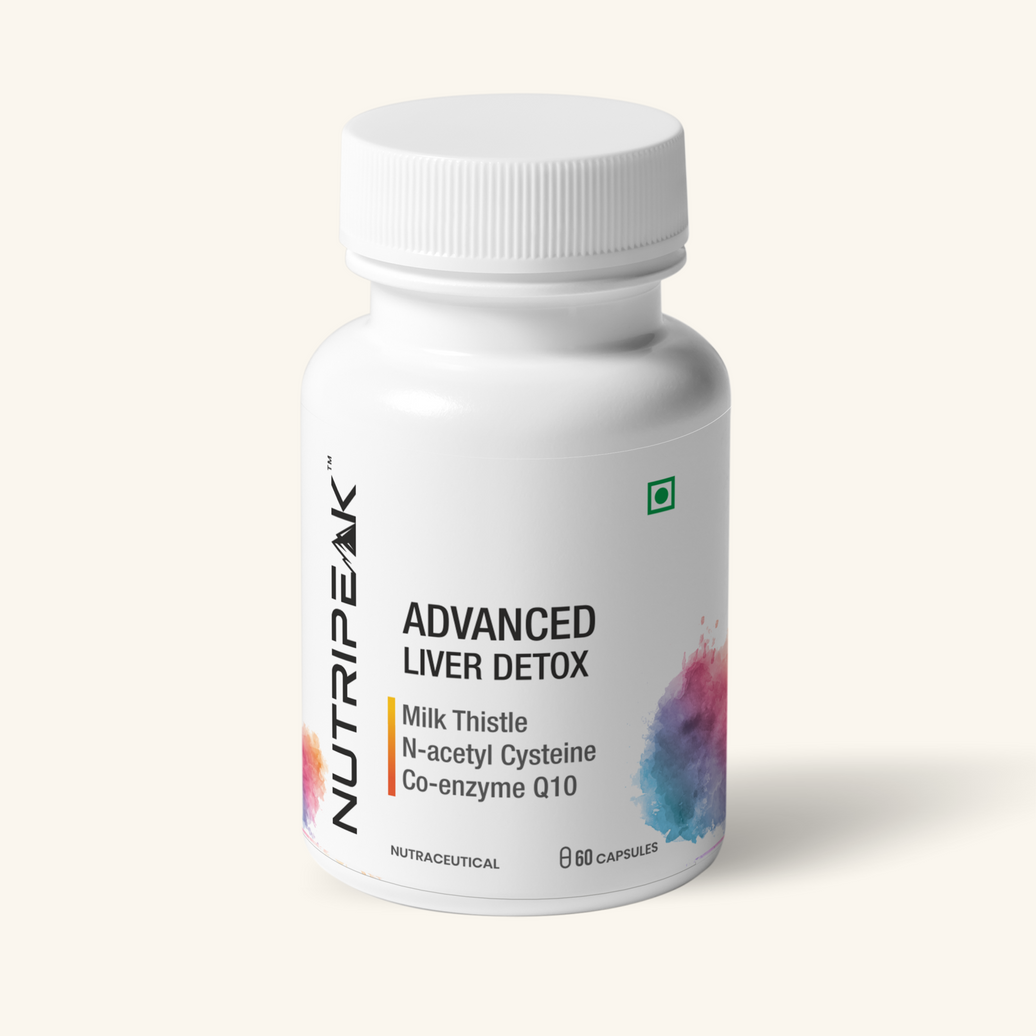
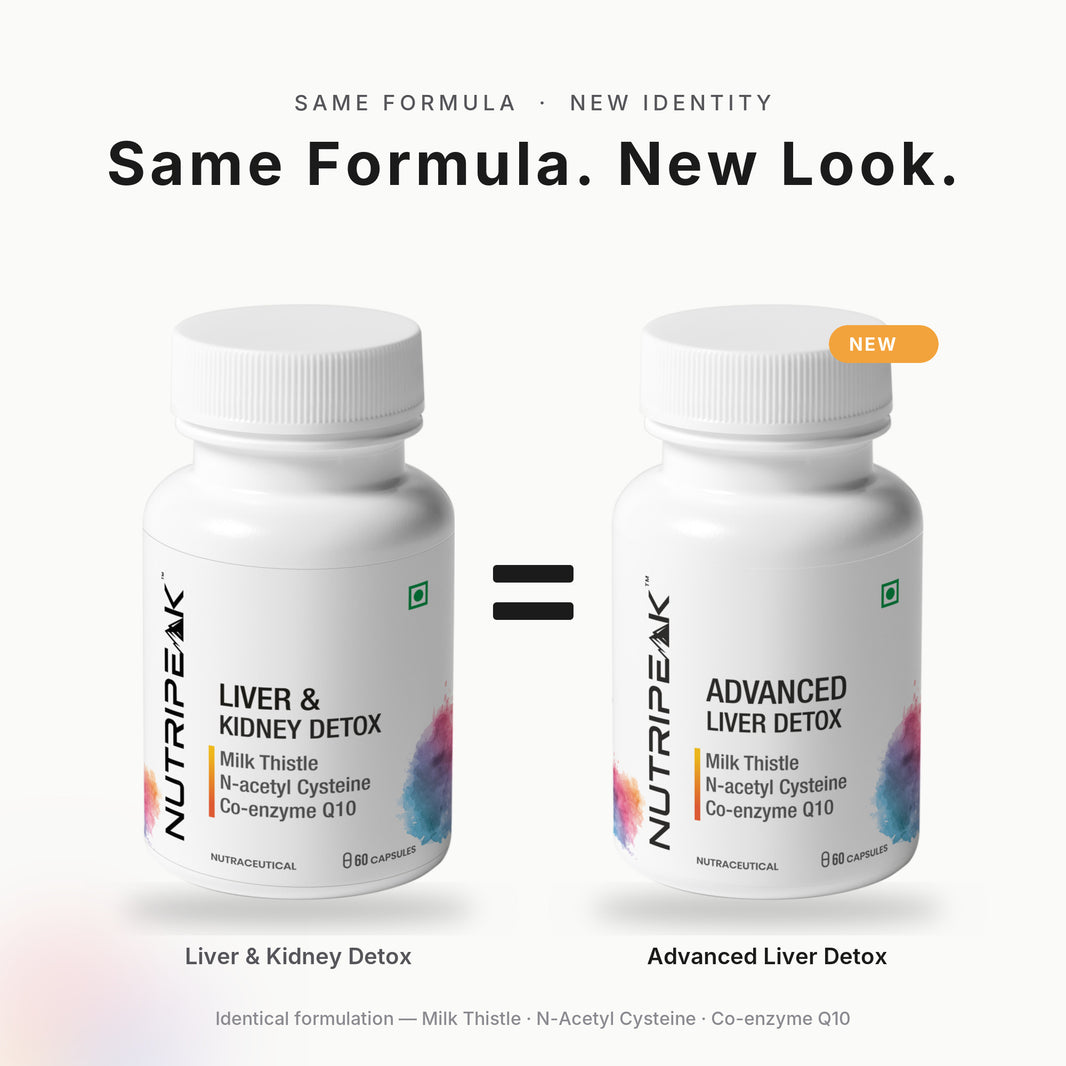
If your routine involves late nights, irregular eating, occasional alcohol, frequent OTC medications, or simply the everyday load of urban Indian living, your liver is absorbing more than most people realise. NutriPeak Liver & Kidney Detox (MRP ₹799, 60 capsules) is formulated with Milk Thistle 250mg, NAC 300mg, Turmeric Extract 400mg, Dandelion Extract 80mg, and CoQ10 60mg — a multi-ingredient matrix designed to support the liver's natural detox pathways and antioxidant defences. For those who prefer a gentler, food-format alternative, NutriPeak LIVPURE Liver Support Gummies (MRP ₹599, 30 gummies) combine milk thistle, artichoke, dandelion, and inulin in an easy daily format. Both are available at nutripeak.in, formulated under FSSAI-licensed manufacturing standards.
Disclaimer: This article is for informational purposes only and is not intended to diagnose, treat, cure, or prevent any disease. Always consult a qualified healthcare professional before making changes to your diet, supplement routine, or wellness plan.
