




Introduction
Your liver filters your blood roughly once every two minutes, all day, every day, without asking for a juice cleanse or a detox tea subscription. What it does respond to is what lands on your plate, meal after meal, week after week. This guide is for anyone eating a typical Indian diet, dal-chawal at lunch, parathas on weekends, biryani when the mood strikes, who wants to support liver function through everyday food choices rather than extreme resets. We'll cover what helps, what adds unnecessary load, and how to build a realistic day around it. No 3-day cleanses. No banned food groups. Just practical, India-first eating.
The "Liver Detox" Myth, and What Actually Helps
Search "liver detox" and you'll find juices, teas, and 7-day plans promising to flush toxins out of your system. Here's the thing: your liver already does that job, every single day, on its own. It's one of the few organs that processes nearly everything you eat, drink, and absorb, and converts waste products into forms your body can safely remove.
What food actually does is support the conditions your liver needs to do this efficiently. Think of it less like a deep clean and more like maintenance. A car doesn't need a dramatic "detox" if it gets regular oil changes and isn't constantly overloaded. Your liver works the same way.
This matters more in India than people realise. A 2023 ICMR-NIN dietary guideline review flagged that urban Indian diets have shifted significantly toward refined carbohydrates, fried snacks, and added sugars compared to traditional meal patterns, a shift that places more day-to-day metabolic load on the liver. The good news is that the reverse shift, back toward whole foods, fibre, and home-style cooking, is something most people can do without overhauling their entire diet.
How Everyday Indian Foods Influence Liver Function
To understand why certain foods help, it's useful to know (in simple terms) what your liver is actually doing.
Your liver processes fats, sugars, proteins, and any compounds your body doesn't need, breaking them down through a series of enzyme-driven steps. These steps require antioxidants to neutralise byproducts, fibre to support the gut-liver connection (yes, your gut and liver are closely linked), and a manageable amount of fat and sugar so the liver isn't constantly working in overdrive.
A few mechanisms worth knowing:
- Antioxidants (found in turmeric, amla, leafy greens) help reduce oxidative stress, a natural byproduct of the liver's detoxification work.
- Fibre (from vegetables, whole grains, legumes) supports gut bacteria that influence how efficiently the liver processes certain compounds.
- Healthy fats (like those in nuts and seeds) are easier for the liver to manage than repeatedly heated oils or trans fats common in fried snacks.
- Hydration supports the kidneys and liver in working together to flush out water-soluble waste.
None of this requires exotic ingredients. Most of it is already sitting in an Indian kitchen.
Liver-Friendly Foods to Add to Your Plate
These are foods with a long history of traditional use for digestion and liver wellness, and which research suggests may support normal liver function as part of a balanced diet.

- Turmeric (haldi): A daily staple in Indian cooking, turmeric contains curcumin, which has been studied for its antioxidant properties. A pinch in dal or sabzi is enough; you don't need large doses from food alone.
- Amla (Indian gooseberry): One of the richest natural sources of vitamin C, traditionally used to support digestion. A small piece with breakfast or as murabba works well.
- Leafy greens (palak, methi, sarson): High in fibre and plant compounds that support the gut-liver axis. Methi in particular is a winter staple worth keeping year-round.
- Garlic: Contains sulphur compounds that some research links to liver enzyme support. A few cloves in your daily tadka count.
- Beetroot: Rich in betalains and nitrates, often included in liver-supportive diets for its antioxidant content.
- Papaya: Easy on digestion, contains enzymes that may support overall gut function, which indirectly supports liver workload.
- Walnuts and flaxseeds: Provide healthy fats and fibre, a useful combination for managing daily fat intake.
- Curd and fermented foods: Support gut bacteria diversity, which research increasingly connects to liver health outcomes.
- Green tea or warm lemon water: Both are commonly included in liver-supportive routines, partly for hydration and partly for their plant compound content.
You don't need all of these every day. Rotating 3-4 of them through your weekly meals is realistic and sustainable, which matters more than any single "superfood."
Foods and Habits That Add Extra Load on Your Liver
This isn't a list of forbidden foods. It's a list of things worth noticing, especially if they show up daily rather than occasionally.
- Repeatedly reheated cooking oil, common in street food and some home kitchens, produces compounds that may increase oxidative stress when consumed regularly.
- Excess added sugar, including sweetened beverages, packaged juices, and frequent desserts, is processed by the liver and converted to fat when consumed in surplus.
- Deep-fried snacks as a daily habit (samosas, pakoras, chips) combine refined carbs and reused oils, a combination that can add up over weeks.
- Alcohol, particularly when combined with late nights and skipped meals, places direct metabolic demand on the liver.
- Highly processed packaged foods, often high in preservatives, sodium, and refined oils, with little fibre to balance them out.
- Crash dieting or skipping meals, which can paradoxically increase fat storage in the liver when the body compensates afterward.
A useful mental shift: instead of asking "is this food bad?", ask "how often does this show up in my week?" Occasional indulgence is part of a normal Indian diet. Daily reliance on these foods is where the impact accumulates.
A Simple Liver-Friendly Day on an Indian Plate
Here's how this could look without feeling restrictive:
- Morning: Warm water with lemon, followed by a regular breakfast (poha, upma, idli, or eggs), with a small piece of amla or a handful of soaked almonds on the side.
- Lunch: Dal, sabzi (rotate in palak, methi, or beetroot through the week), roti or rice, and curd. Add a pinch of turmeric and a clove of raw garlic in tempering.
- Evening: Green tea or buttermilk instead of a sugary beverage, with roasted makhana or a fruit if hungry.
- Dinner: Lighter than lunch, ideally 2-3 hours before sleeping, with vegetables and a moderate portion of grains or pulses.
- Weekly: Allow for one or two meals that include your usual indulgences (biryani, fried snacks, sweets) without guilt. The goal is overall pattern, not perfection.
This kind of routine doesn't require giving up Indian food culture. It mostly means adjusting frequency and balance, which is far easier to sustain than a strict elimination diet.
A Note on Limitations
Diet plays a meaningful role in supporting liver function, but it isn't a substitute for medical care if you have an existing liver condition. Symptoms like persistent fatigue, yellowing of skin or eyes, or unexplained abdominal discomfort should be evaluated by a doctor rather than addressed through diet alone. Food-based support works best as part of a broader picture that includes regular checkups, especially for anyone with risk factors like high alcohol intake, obesity, or a family history of liver issues.
As an FSSAI-licensed nutraceutical brand, NutriPeak formulates supplements designed to complement, not replace, dietary habits like the ones covered here, and we always recommend food-first approaches before considering supplementation.
Frequently Asked Questions
Q: Can I really support my liver through food alone, without supplements?
For most healthy adults, a consistent diet rich in vegetables, fibre, and antioxidants, combined with limited alcohol and processed food, can meaningfully support liver function. Supplements can be useful additions for people with gaps in their diet or higher lifestyle demands, but they work best alongside good food habits, not instead of them.

Q: Is turmeric milk (haldi doodh) actually good for the liver?
Turmeric's curcumin content has been studied for its antioxidant properties, and a daily cup of haldi doodh is a traditional, low-risk addition to most diets. That said, the amount of curcumin in a typical glass is modest, so it's best viewed as a supportive habit rather than a standalone solution.
Q: Are liver detox teas and juice cleanses worth trying?
Most commercial detox teas and juice cleanses haven't been shown to do anything your liver doesn't already do on its own. Some juice cleanses are also high in natural sugars and low in fibre, which can work against the goal. A balanced plate, consistently, tends to be more effective than a short-term cleanse.
Q: How quickly will I notice a difference if I change my diet?
Liver function doesn't change overnight, and most dietary effects build up over weeks to months of consistent habits. Energy levels and digestion are often the first things people notice improving, usually within a few weeks of consistent changes.
Q: I eat non-vegetarian food regularly. Does this guide still apply?
Yes. The core principles, more vegetables and fibre, less reliance on fried and processed food, moderate alcohol, and good hydration, apply regardless of whether your diet includes meat, fish, or eggs. Lean protein sources are generally easier on the liver than heavily processed meats.
Q: Does intermittent fasting help the liver?
Some research suggests structured eating windows may support metabolic health, but fasting isn't necessary for liver support and isn't suitable for everyone. If you're considering it, it's worth discussing with a healthcare professional first, particularly if you have any existing health conditions.
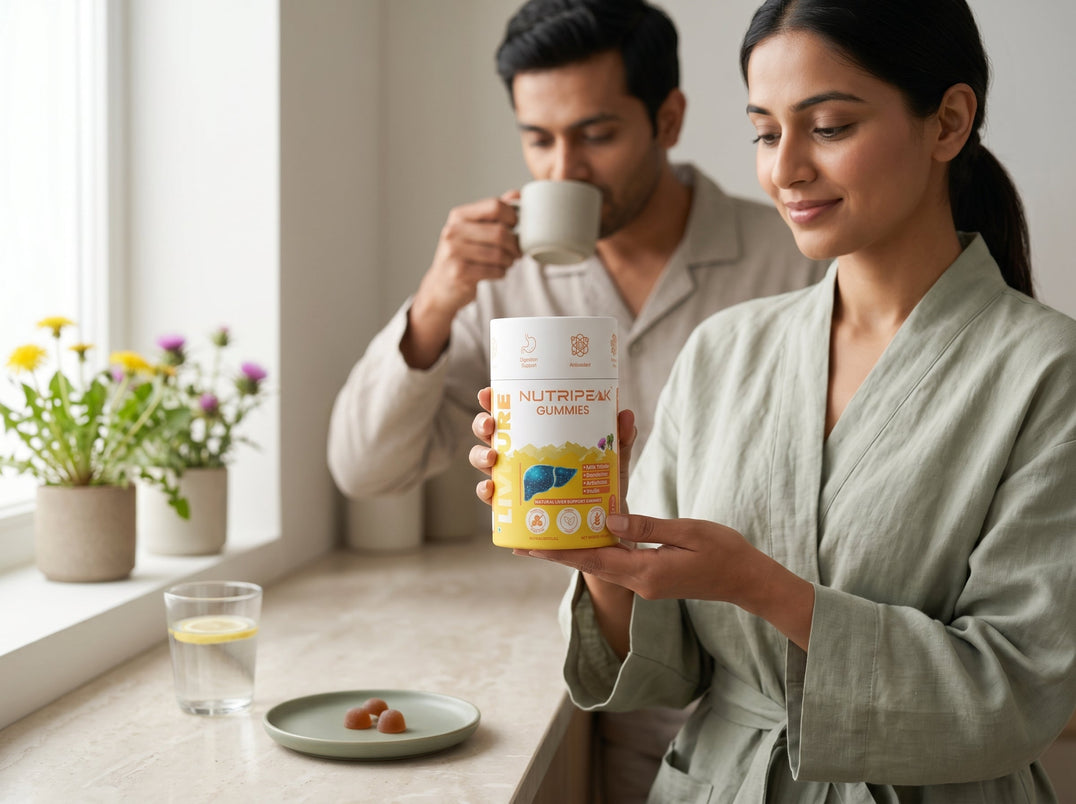
If you're already eating with your liver in mind but want extra support during high-stress periods, festive seasons, or after late nights, NutriPeak's Liver & Kidney Detox formula combines milk thistle, NAC, and CoQ10 to complement a balanced diet. For a gentler daily option, the LIVPURE Gummies offer milk thistle and dandelion in an easy, everyday format.
Disclaimer: This article is for informational purposes only and is not intended to diagnose, treat, cure, or prevent any disease. Always consult a qualified healthcare professional before making changes to your diet, supplement routine, or wellness plan.
